
- Load More
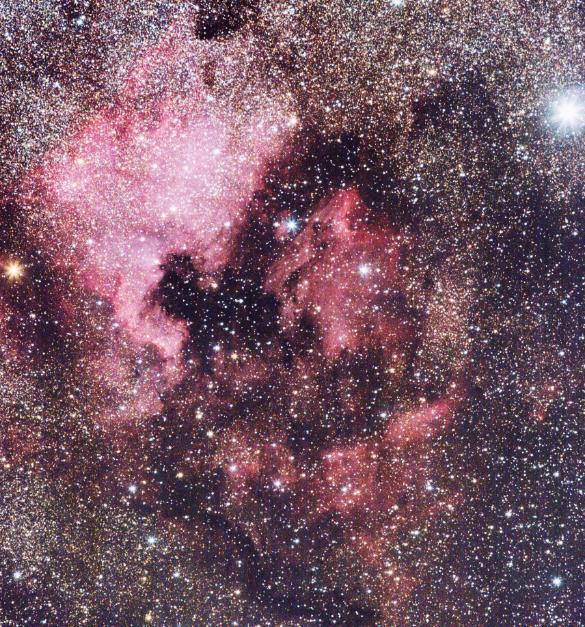
The North America and the Pelican Nebula taken at approximately 48°N over three nights in La Blache, Provence, France, at the end of June 2016.
1 hours exposures of 2 minutes ISO 1600 with a modified Canon 600D and a 200 mm Canon tele lens F 5,6 on a CGEM mount, processed in APP and DPP from Canon.
Allthough the picure has guiding mistakes the result is a lot better than with DSS and DPP from Canon. Especially the Pelican Nebula really comes out. If you compare it with my old result the difference is stunning !18620009_846747088811072_8216714773206105720_n
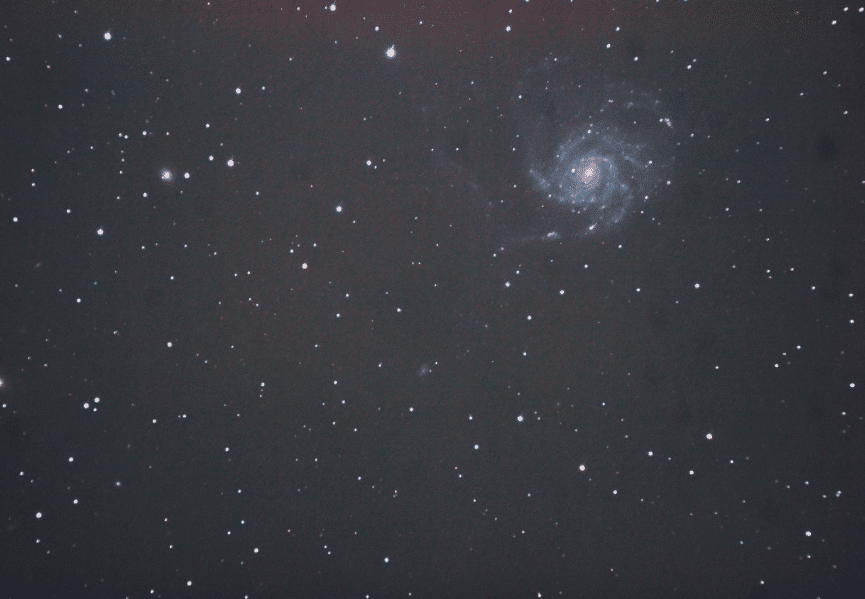
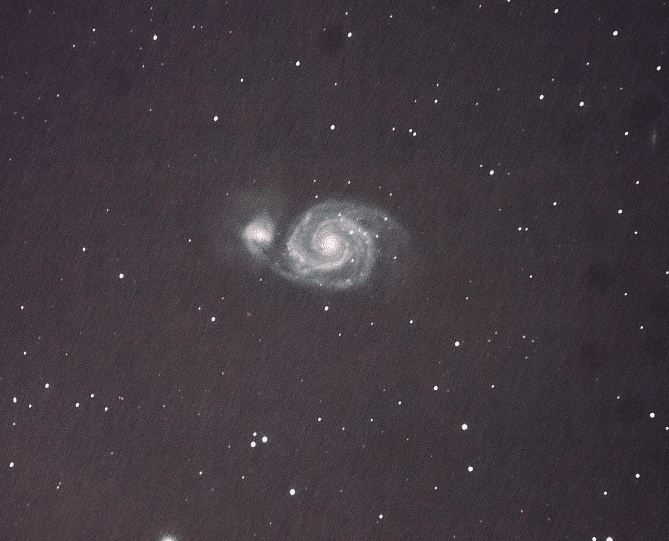
M101 Pinwheel Nebula taken with my Toa on the 26th of March. 40×90 sec ISO 1600 Canon 600D (mod)with LPF filter.
Processed with APP 1.038 and DPP from Canon.M101-Pinwheel-TOA-26-3-2017-40x90sec-ISO-1600-LPF-APP2
Ha Mabula,
This is how it looks after using the light polution tool.
The pictures were taken in the direction of Nice. You could see a lot of light on the horizon.
This really helped.
Thanks,
HansAntaris Complex 28-29-6-2016 La Blache Provenc 30x120sec ISO 1600 200 mm CGEMLP
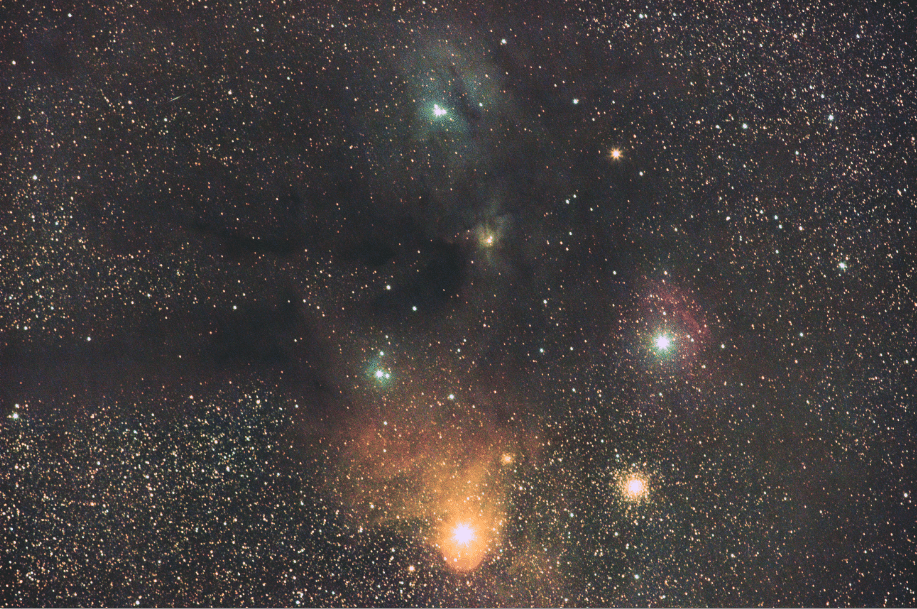
Antares and the Rho Ophiuchi area taken at approximately 48°N over three nights in La Blache, Provence, France, at the end of June 2016.
The bright star below is the supergiant Antares with a diameter of approximately 1500 times that of the Sun,
at a distance of approximately 600 light years .
The orange-yellow reflection around Antares is nebula Ced 132.
To the right of Antares is the globular star cluster M4, at a distance of approximately 7500 light years
Above M4 is Sigma Scorpio surrounded by the red emission nebulae Sh 2-9.
At the top is the triple star Rho-Ophiuchi surrounded by the blue reflection nebulae
IC 4604. Below Rho-Ophiuchi to the left is the dark nebulae B 44.
1 hours exposures of 2 minutes ISO 1600 with a modified Canon 600D and a 200 mm Canon tele lens F 5,6 on a CGEM mount, processed in APP and DPP from Canon.Antaris Complex 28-29-6-2016 La Blache Provenc 30x120sec ISO 1600 200 mm CGEM
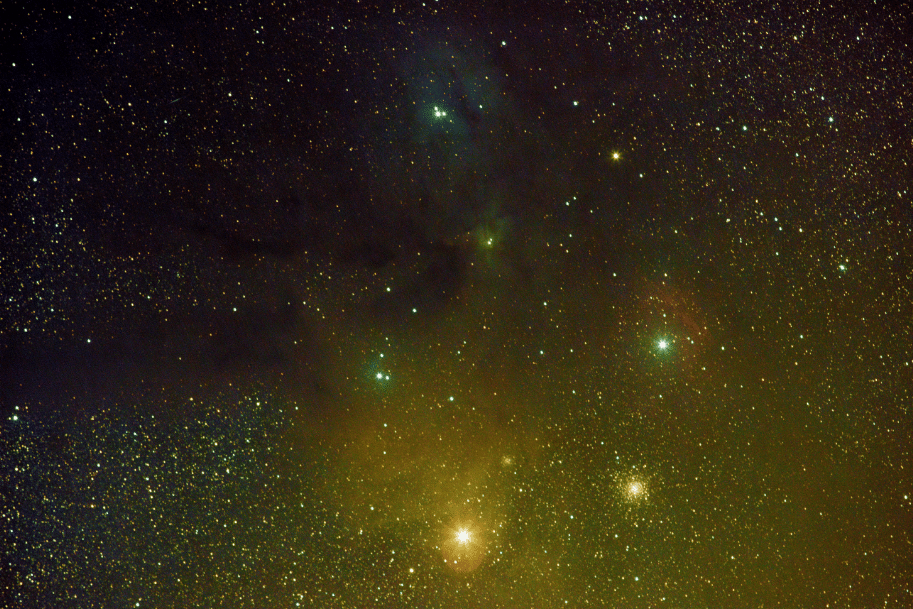
Ha Mabula,
I am back in the Low Lands again.
Thank you for your tips.
A remark about the sliders. The title of the slider above is above the slider below I find that a bit confusing. But if you are used to it, it might be alright.
Here is my modified picture according to your settings.
I think flats and guiding are serious issues.
This is a problem that is going to be resolved.
But overall I am quite satisfied with the result.
Thanks a lot.
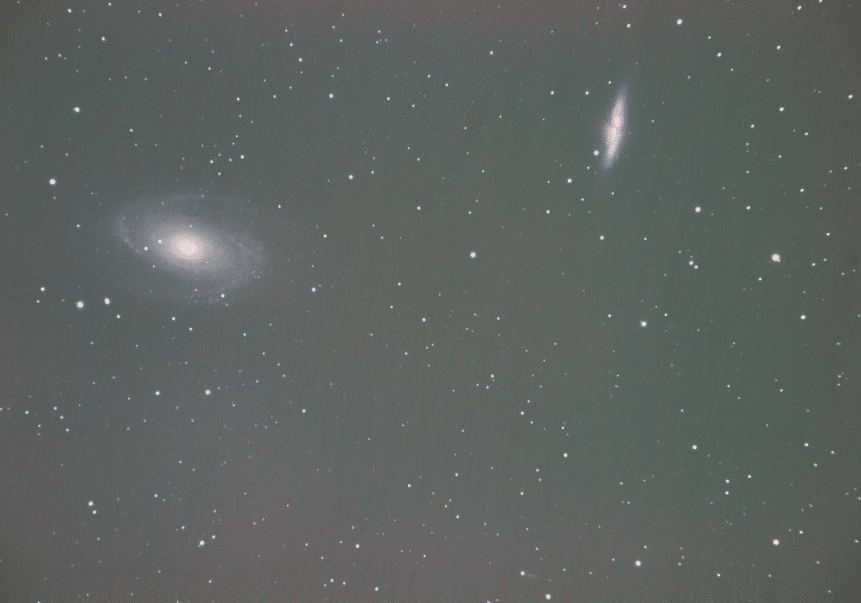
HansM81-82 30-4-2017 TOA ISO 1600 85x60 sec LPF APPCOLEX
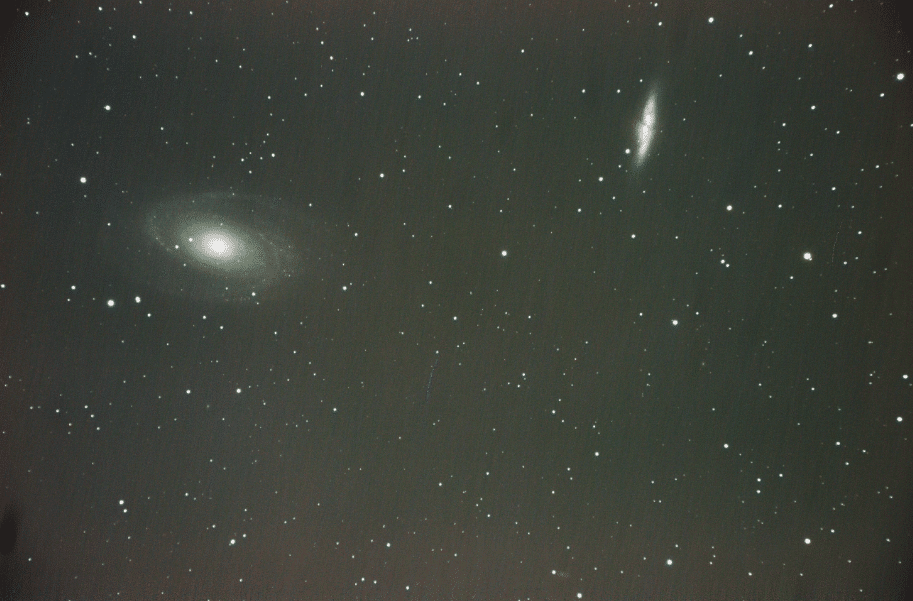
Now the picture of M81 and M 82 processed with APP.
I think the result is already a lot better!M81-82 30-4-2017 TOA ISO 1600 85x60 sec LPF APP
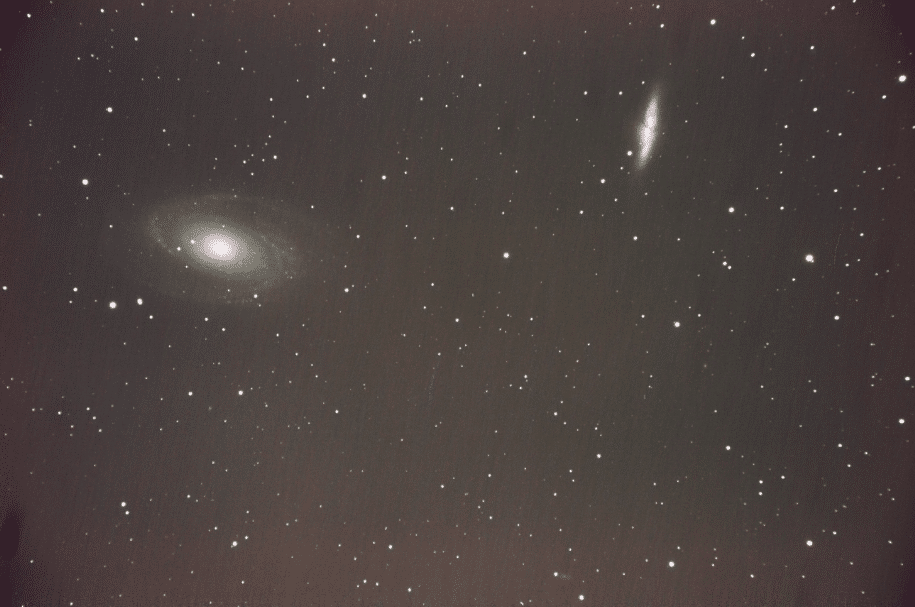
According to your guidelines in your artical I have processed 47x 90 sec Lights , 9x90 sec Darks and 25 Bias.
During the process I really noticed that Flats are essential.
The eventual result is a lot better than stacking with DSS.
Mabula thanks a lot for your help!M51 47x90s 9D 25B ISO 1600 TOA APP2
Afgelopen zaterdag avond (29/4) was het toch plotseling weer helder.
Eerder had ik mijn vrouw van Schiphol opgehaald en toen zag ik het al het was behoorlijk helder.
Het astrovirus begon gewoon weer te kriebelen.
Na een lekkere fles Sauvignon Blanc besloot ik toch maar om de zaak om 1,00 uur buiten te zetten.
Tijdens de sessie kwam ik er achter, dat de zoeker niet helemaal goed was uitgelijnd.
Maar ja na wat prutsen had ik de zaak ongeveer om 2,30 uur op M81 en M82 afgesteld in het sterrenbeeld de Grote Beer.
Het leek redelijk helder, maar de opnames gaven naderhand toch wat minder aan.
M81 en 82 ca 12 miljard van ons verwijderd met een onderlinge afstand van ca 150.000 lichtjaar, behorend tot het Virgo Cluster.
Ongeveer 84 opnames van ca 60 seconden met ISO 1600 met een TOA 130 mm F7,7 en een LPF filter.
Toen ik de darks en Bias opnames had gemaakt werd het licht.
Oeff toen was het echt helder, Venus was net boven de horizon zichtbaar. De horizon werd enigszins rood en de vogels begonnen te zingen. Toch altijd weer een bijzondere ervaring.
Persoonlijk, denk ik, dat de opname best wat beter kan, ik ga er dan ook verder mee aan de slag.M81-82 30-4-2017 TOA ISO 1600 85x60 sec LPF
Enige opnames van de Maan op 3-4-2017 met de TOA 130 mm F7,7 met 5xPM Canon 600DMaan 3-4-2017 23,10 uur 20fr t=1-200 ISO 1600Maan 3-4-1017 23,12 u t=1-160 ISO 1600Maan 3-4-2017 23,13 u t=1-160 ISO 1600
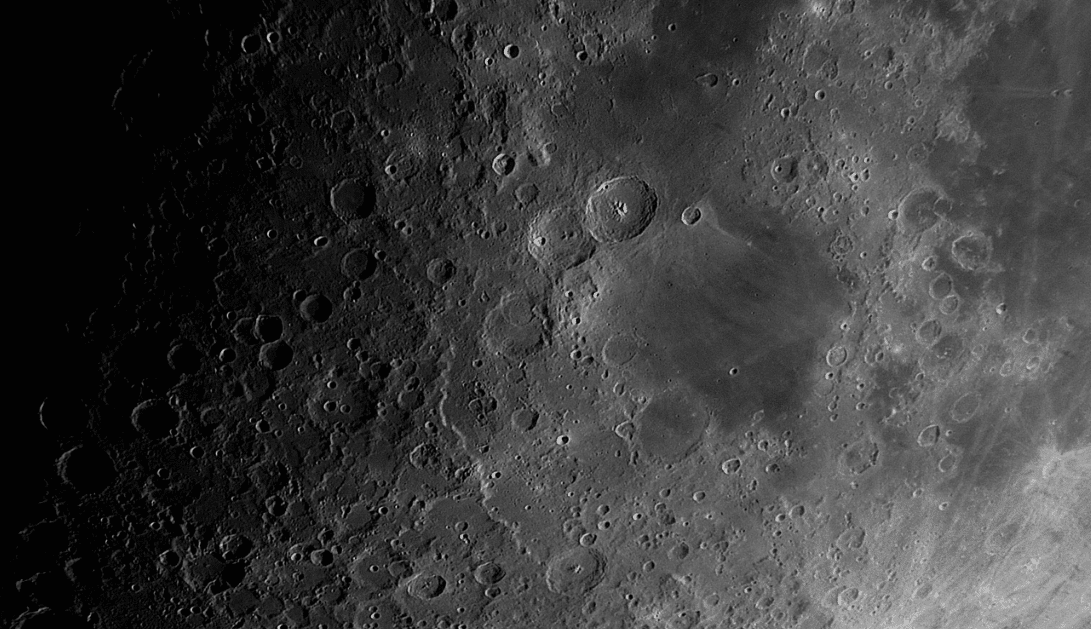
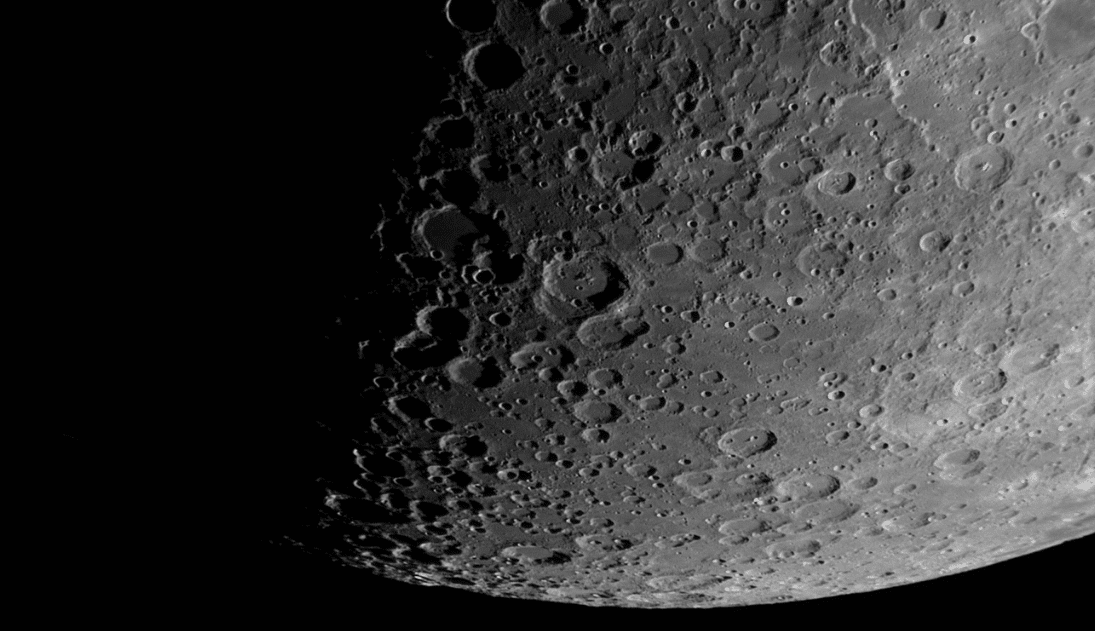
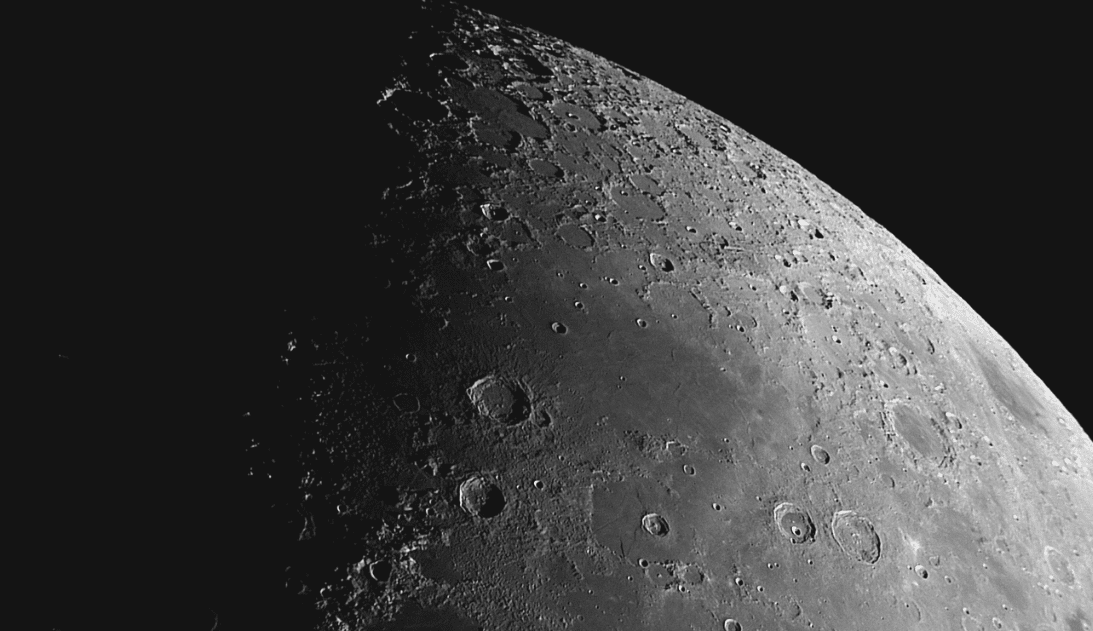
Enige opnames van de Maan op 3-4-2017 met de TOA 130 mm F7,7 met 5xPM Canon 600DMaan 3-4-2017 23,10 uur 20fr t=1-200 ISO 1600Maan 3-4-1017 23,12 u t=1-160 ISO 1600Maan 3-4-2017 23,13 u t=1-160 ISO 1600
Enige opnames van de Maan op 3-4-2017 met de TOA 130 mm F7,7 met 5xPM Canon 600DMaan 3-4-2017 23,10 uur 20fr t=1-200 ISO 1600Maan 3-4-1017 23,12 u t=1-160 ISO 1600Maan 3-4-2017 23,13 u t=1-160 ISO 1600
Al met al heb ik maar ca 34 min opnames kunnen maken van de Rosettenevel voordat deze achter het dak van het huis verdween. 45x45 sec TOA LPF ISO 1600NGC 2237 Rosettanevel 27-3-2017 45x45 s ca 34 min ISO 1600

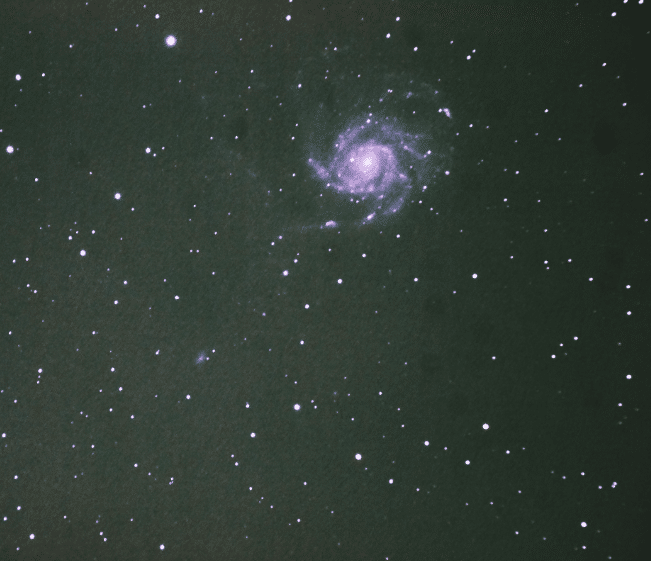
M101 in de Grote Beer opgenomen om ca 1,00 uur op 26-3-2017 met de TOA F7,7 op CGEM montering en een Canon 600D. 36x90 sec ISO 1600.M101 Pinwheel TOA 26-3-2017 ISO 1600 36x90 sec LPF
M51 opgenomen op 25-3-2017 om ca 24,00 uur met de TOA 130 F7,7 met LPF filter 47×90 sec.
De nova is ook zichtbaar op de foto.
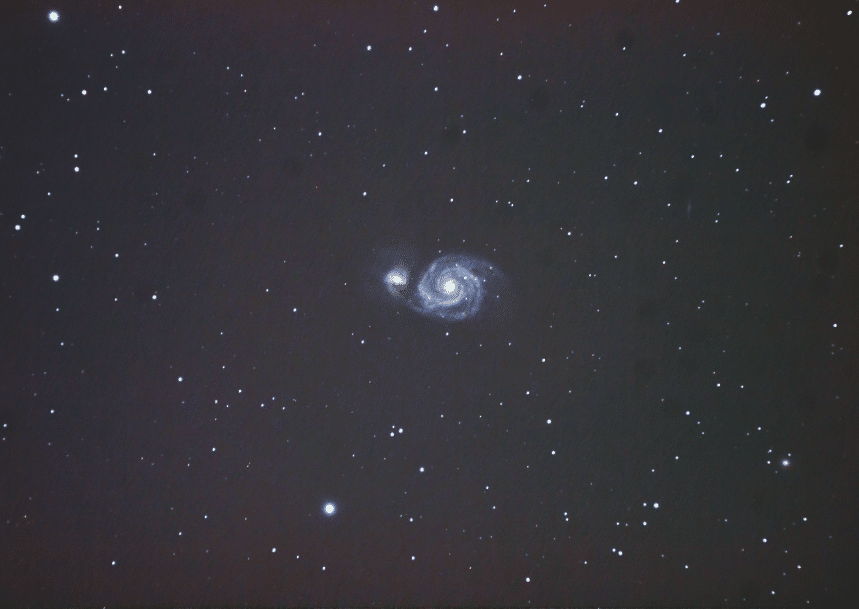
Deze spectaculaire nevel (the Wirlpool galaxy) werd ook reeds waargenomen door Lord Ross in Ierland met the Leviathion of Parsonstown een 72” spiegel teleskoop. Deze teleskoop was tot ca 1910 de grootste van de wereld. Hij was de eerste die de spiraalstructuur waarnamM51-TOA-25-3-2017-ISO-1600-47x90sec-TOA-LPF
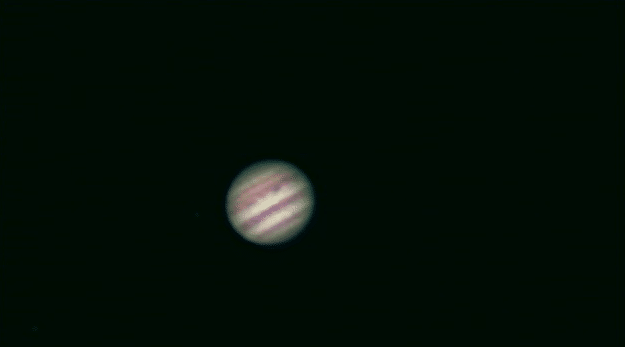
Een combinatie van oud en nieuw. Jupiter met mijn 40 jaar oude (lady) de Polarex 75/1200 in combinatie met een 2,5 x Powermate van Teleview.
T=1/125 ISO 1600 ca 500 beelden in Registax en DPP opgenomen 16-3-2017 om ca 4,00 uur ’s morgens.
De schaduw van Europa valt op Jupiter. Direct links van Jupiter is Europa zelf te zien. Daar links van zien we Io.Jupiter-16-3-2017-5-uur-POLAREX-t1-125-ISO-1600-500-beelden
Op het ogenblik is het een grote stofbende bij ons thuis, de keuken wordt verbouwd.
Daarom is het problematisch om de CGEM van binnen naar buiten te zetten.
Dit de reden dat ik het onderstel van de Polarex teleskoop in de schuur heb gezet. Hier zit een aandrijving op de uuras op. M.b.v. de losse Losmandy poolzoeker kan ik hem op het noorden zetten.
Op de Polarex montering kan ik mijn telelens monteren. Het nadeel is alleen, dat je maar maximaal 45 tot 60 seconden kan belichten.
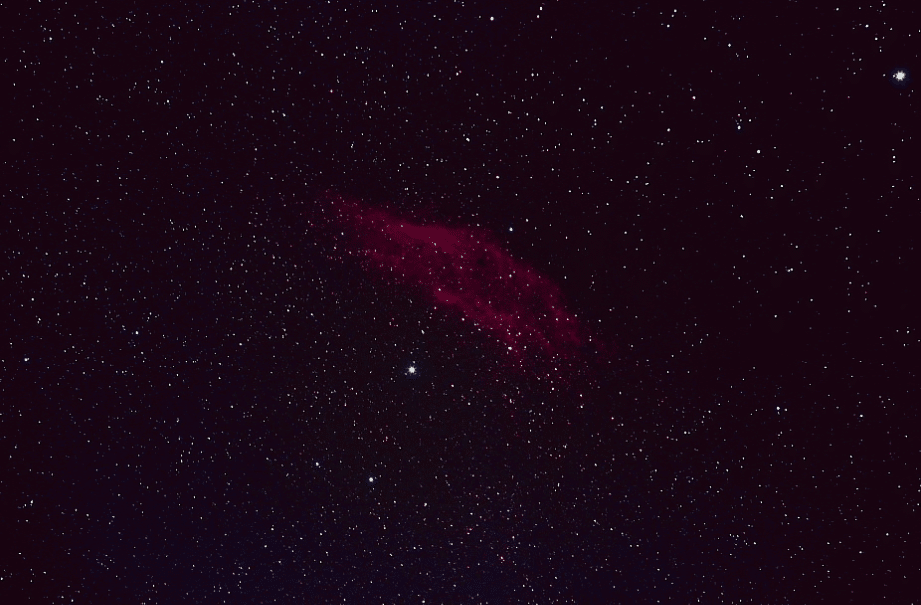
Afgelopen vrijdagavond was het in eens helder bij ons in Haarlem .
Zodoende heb ik ca 21 minuten de California nevel NGC 1499 kunnen opnemen voordat de bewolking weer kwam opzetten. Het resultaat viel me niet tegen.
28x45 sec ISO 800 200 mm telelens met LPF filter. De opnames zijn gestacked in DSS en bewerkt in Gimp en DPPCalifornianevel 24-2-2017 200 mm 28x45sec ISO800
van Overzee replied to the topic Ideale ISO waarde in relatie tot hemelkwaliteit in the forum Methoden en Technieken
Naar aanleiding van je post zit ik toch wel met een aantal vragen.
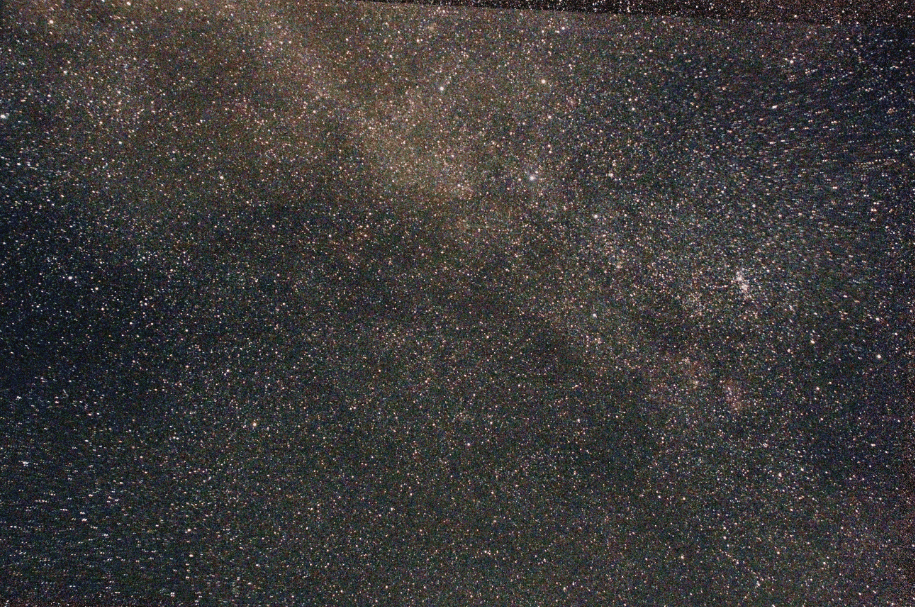
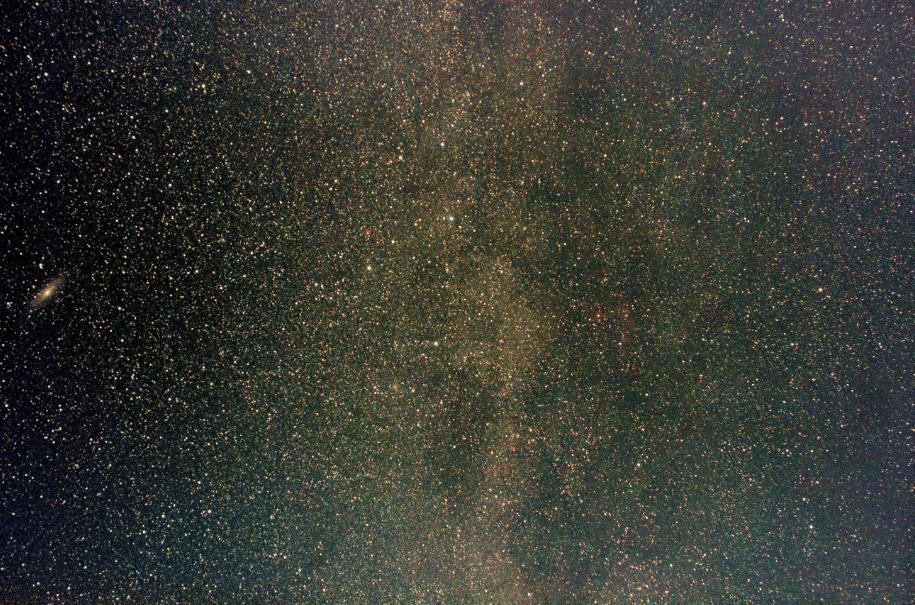
In het afgelopen najaar ben ik in Coldstream geweest, mijn favoriete waarnemings plek net ten noorden van het Northumberland Dark Sky Park. Ongelofelijk donker en te vergelijken met Terschelling of de Provence.
Hier heb ik 2 opnames gemaakt van de melkweg met mijn Canon 600d(mod)
De eerste plaat is gemaakt toen het astronomisch donker was.
- 4x15 sec F4,5 ISO 3200 28 mm Canon
De tweede plaat is gemaakt terwijl de Maan (k=0,83) 30 gr boven de horizon stond
- 40 x 15 sec ISO 6400 28 mm Canon
Uit mijn ervaring kan ik alleen maar concluderen, dat hoe donker de hemel is, een zeer belangrijke factor is voor de maximale ISO die je kan toepassen.Sterrenbeeld Cassiopeia 18-11-2016 4 x 15 sec Coldstream F4,5 ISO 3200 28mmSterrenbeeld Cassiopeia 18-11-2016 40x15 sec Coldstream F4,5 ISO 6400 28mm
van Overzee replied to the topic Ideale ISO waarde in relatie tot hemelkwaliteit in the forum Methoden en Technieken
Naar aanleiding van je post zit ik toch wel met een aantal vragen.
In het afgelopen najaar ben ik in Coldstream geweest, mijn favoriete waarnemings plek net ten noorden van het Northumberland Dark Sky Park. Ongelofelijk donker en te vergelijken met Terschelling of de Provence.
Hier heb ik 2 opnames gemaakt van de melkweg met mijn Canon 600d(mod)
De eerste plaat is gemaakt toen het astronomisch donker was.
- 4x15 sec F4,5 ISO 3200 28 mm Canon
De tweede plaat is gemaakt terwijl de Maan (k=0,83) 30 gr boven de horizon stond
- 40 x 15 sec ISO 6400 28 mm Canon
Uit mijn ervaring kan ik alleen maar concluderen, dat hoe donker de hemel is, een zeer belangrijke factor is voor de maximale ISO die je kan toepassen.Sterrenbeeld Cassiopeia 18-11-2016 4 x 15 sec Coldstream F4,5 ISO 3200 28mmSterrenbeeld Cassiopeia 18-11-2016 40x15 sec Coldstream F4,5 ISO 6400 28mm
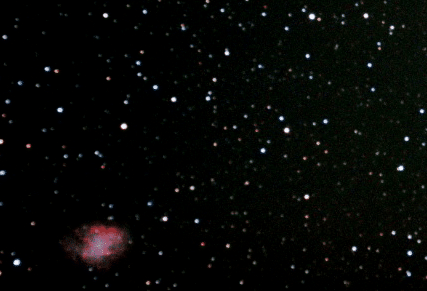
Een testopname van de Krabnevel (M1) in het sterrenbeeld de stier in de nacht van 26 januari.
De goto had een beetje kuren, het was moeilijk om hem in het centrum van het beeld te krijgen. Daar de nevel zeer excentrisch in het beeld stond heb ik hem gecropt.
Geen hoogstandje maar er is toch wel wat detail te zien.
Alleen met ISO 6400 was hij op een enkele foto zichtbaar. Enig detail was toch wel te zien.
15 x 60 sec ISO 6400 met LPF filter Gestacked met DSS en bewerkt met Gimp en DPP van Canon.Krabnevel M1 27-1-2017 15x60sec ISO 6400